
Sorting Through Options, Joe Espada Tries to Find a New Plan for the 7th Inning
Injuries have disrupted the plan Joe Espada used in 2025 for the late innings. The biggest effect is in the 7th inning, where he is sorting through multiple options so far this season.

It is difficult to do baseball analysis in the early days of the season. The Astros overall had a good week, winning their last 5 straight after dropping their first 2 games of the season. If the team has a 5-2 in August, we’d be happy. But its effect on the season would be small compared to the 100 plus games the team already played. But here on April 3, it is all that we have to go on.
The games count the same as they will in August, but the context is completely different.
The Astros are winning because of a hot streak from the offense has been fun to watch, especially as the team won high scoring games over the weekend against the Angels and blew out the Red Sox on Monday and Tuesday nights at Daiken Park.
But is this just a hot week or a sign of an improved offense? It’s too soon to tell.
But there is one place where I have focused that we can analyze with great detail—how Joe Espada has chosen to deploy his bullpen, especially in the 7th inning.
By the middle of last season, Joe Espada had established a clear hierarchy in his bullpen—closer Josh Hader had the 9th; Bryan Abreu had the 8th, and Bryan King had emerged from an effective bullpen to have the 7th inning. When the game was close, Espada’s bullpen plan was clear most nights.1
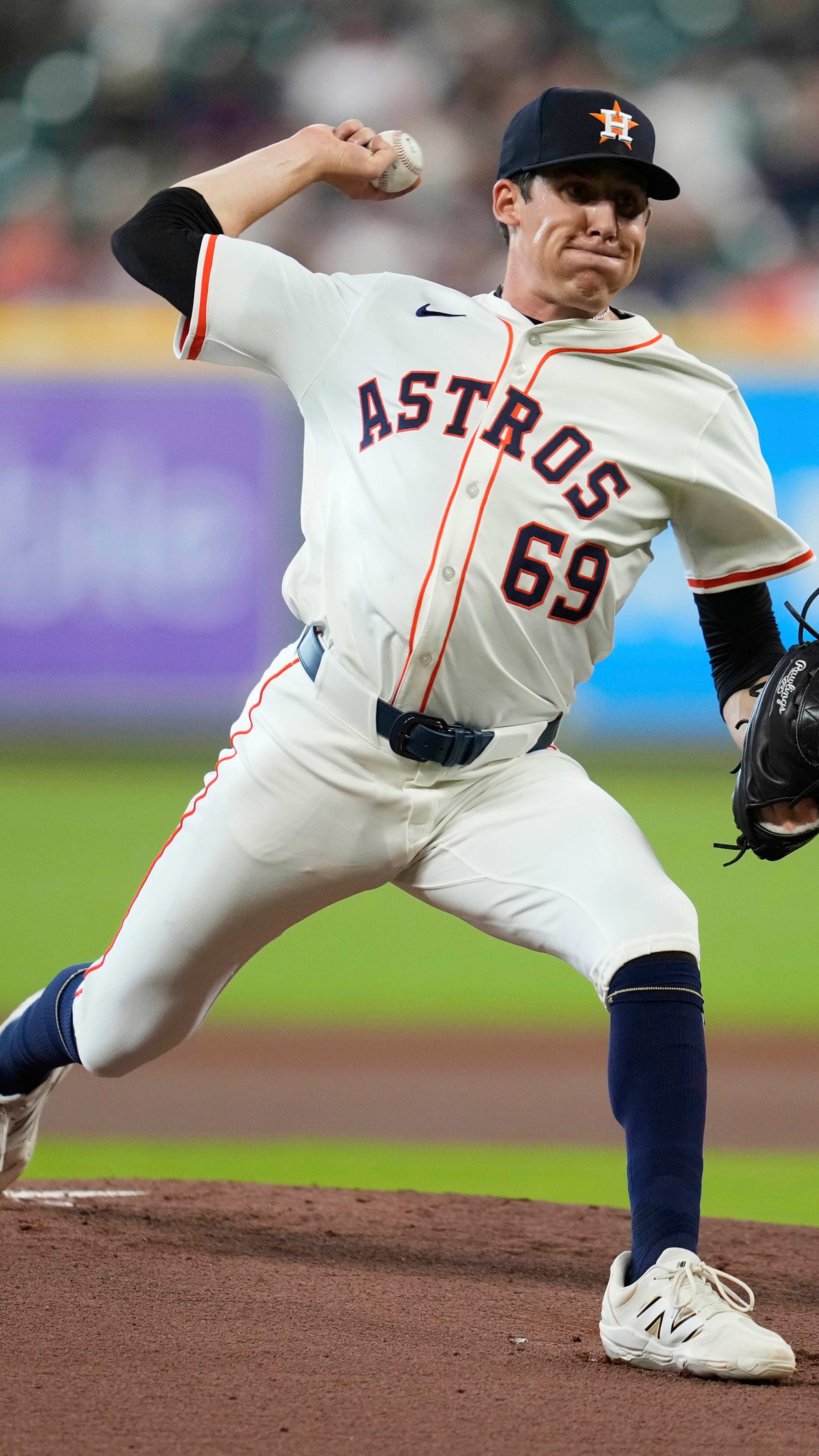
This plan was interrupted last season by Josh Hader’s injury, which pushed Abreu to closer and left more difficult—and less reliable—choices for Espada to consider in setting up his closer. With Josh Hader beginning the 2026 season on the IL with a biceps injury, the more difficult bullpen choices Espada faced at the end of last season continued into this year.
In particular, I have focused on how Espada has handled the 7th inning. In moving his most reliable relievers back an inning, Espada protected the end of the game, but that move has created dilemmas for him in how to deal with the 7th inning.
How has he dealt with the 7th inning so far?
Game 1. In a tie game, AJ Blubaugh pitched the 7th inning as the last of the 2.1 innings he threw to bridge between starter Hunter Brown and King and Abreu at the back end.
Game 2. The Astros were losing 5-2 at this point. Espada started the inning with Roddery Munoz carrying over from the 6th inning. After walking 2 batters with 1 out, Steven Okert relieved him, retired the last 2 batters, and then retired the side in order in the 8th.
Game 3. Kai-Wei Teng pitched the 7th as the last of his 2.1 innings. Notably, Teng still came out after a long bottom of the 6th in which the Astros scored 8 runs and sent 11 men to the plate.
Game 4. In a tie ballgame, Blubaugh retired the Angels in order in the 7th, and again in the 8th. He was credited with the win as the Astros scored 3 in the bottom of the 8th to take the lead.
Game 5. Lance McCullers finished the inning. I thought McCullers would be done after 6 excellent innings, but Espada wanted to press his starter. McCullers clearly tired but struck out Masataka Yoshida to end a Red Sox threat.
Game 6. Cody Bolton, just up from Sugar Land that day, struck out 3 in the 7th and went on to finish off the game, giving up just 1 run.
Game 7. Espada flipped the script, letting the lefty King face a pair of left handed hitters and the top 3 hitters in the Red Sox order. It worked in the 7th as King struck out 2 and retired the side in order. It looked less good in the 8th when Teng allowed a home run to Wilyer Abreu.
A couple of themes stand out to me here.
There is no set plan for Espada and pitching coach Josh Miller in the 7th inning. The only pitcher to throw twice in the 7th in the season’s first week is Blubaugh. Espada is still sorting out what he wants to do in the 7th.
Espada is also willing to let pitchers go long into the 7th. Blubaugh and Teng both got the 7th on separate occasions as a 3rd up-down. Espada pressed McCullers through the 7th in his one start this season.
Espada has more options this season to get multiple innings from relievers and he is taking advantage of that. Espada has had a reliever get more than 3 outs in 6 of the team’s 7 games. In fact, the only game where he went to a more traditional one inning per reliever strategy was in Game 7 when he had a well-rested back end of his bullpen thanks to multi-inning stints from Bolton in Game 6 and from Ryan Weiss in Game 5, when he covered the final 2 innings after McCullers departed.
In short, Joe Espada is still trying to sort through his options for how to deal with the 7th inning. In 2025, he had a clear plan thanks to having high quality relief options in the 8th and 9th innings. With those options limited in 2026 due to injuries, Espada has already tried several options in the 7th.
I expect the experimenting with the 7th inning to continue on the road trip to Sacramento, Phoenix, and Denver.
Further evidence of Espada’s plan for the bullpen is that King’s 27 holds were 9th most in the majors, despite not being a set-up man early in the 2025 season. Abreu had 25 holds (13th most) despite spending the last 2 months of 2025 as the team’s closer.
Thank you for the interesting thoughts. By staying away from a rigid order in the 'pen, the Astros will be able to deploy the best man at the best time (e.g. King coming again earlier than expected to work a platoon benefit). The use of multi inning relief feels a little throwback to me ala the 1980's Starter>Long guy> Closer pattern. Of course it's all dependent on having quality (and healthy) options available!