
There is a crowded infield
But can they afford to run out of men?

The Astros didn’t mismanage the infield. It is not crowded by design.
They traded for Carlos Correa at the deadline in the middle of a competitive window. They knew Peña wasn’t moving from short stop. They knew Christian Walker would play as a defensive first baseman and that Yordan Álvarez’s body had already decided the DH spot. Those were conscious decisions.
What they didn’t account for was how brittle everything behind that structure had become.
Last year showed it. Once injuries hit, the bench disappeared. Zach Short and Luis Guillorme and Brice Matthews weren’t depth; they were the end of the line. When they became regulars, the Astros had exhausted every viable call-up. Every substitution made the roster worse somewhere else.
That makes second base the pressure point.
Paredes has been in the league long enough that if teams believed he could live at second base, they would have let him. They haven’t. His second-base appearances exist in small doses, not stretches. He hasn’t been trusted with the range, the turns, or the wear that comes with the position over volume.
Late-career Jed Lowrie is the relevant comp because teams told you what they thought with their lineups. From age 34 on, he never cleared even half a season’s worth of innings at second base. Oakland, New York, and Boston all treated him the same way: the bat stayed in the lineup, but the position never stabilized. He bounced between second, third, short, and DH, not because of versatility, but because no club was willing to let his legs absorb the wear of one spot over six months. The offense justified playing him. The defense never justified committing to him. That’s the distinction.
Isaac Paredes can hit. That’s not the debate. His value is almost entirely tied to the bat. He doesn’t add anything on the bases, and recurring hamstring issues have already limited how aggressively teams use him.
If he can’t hold a defensive position every day, he’s a DH.
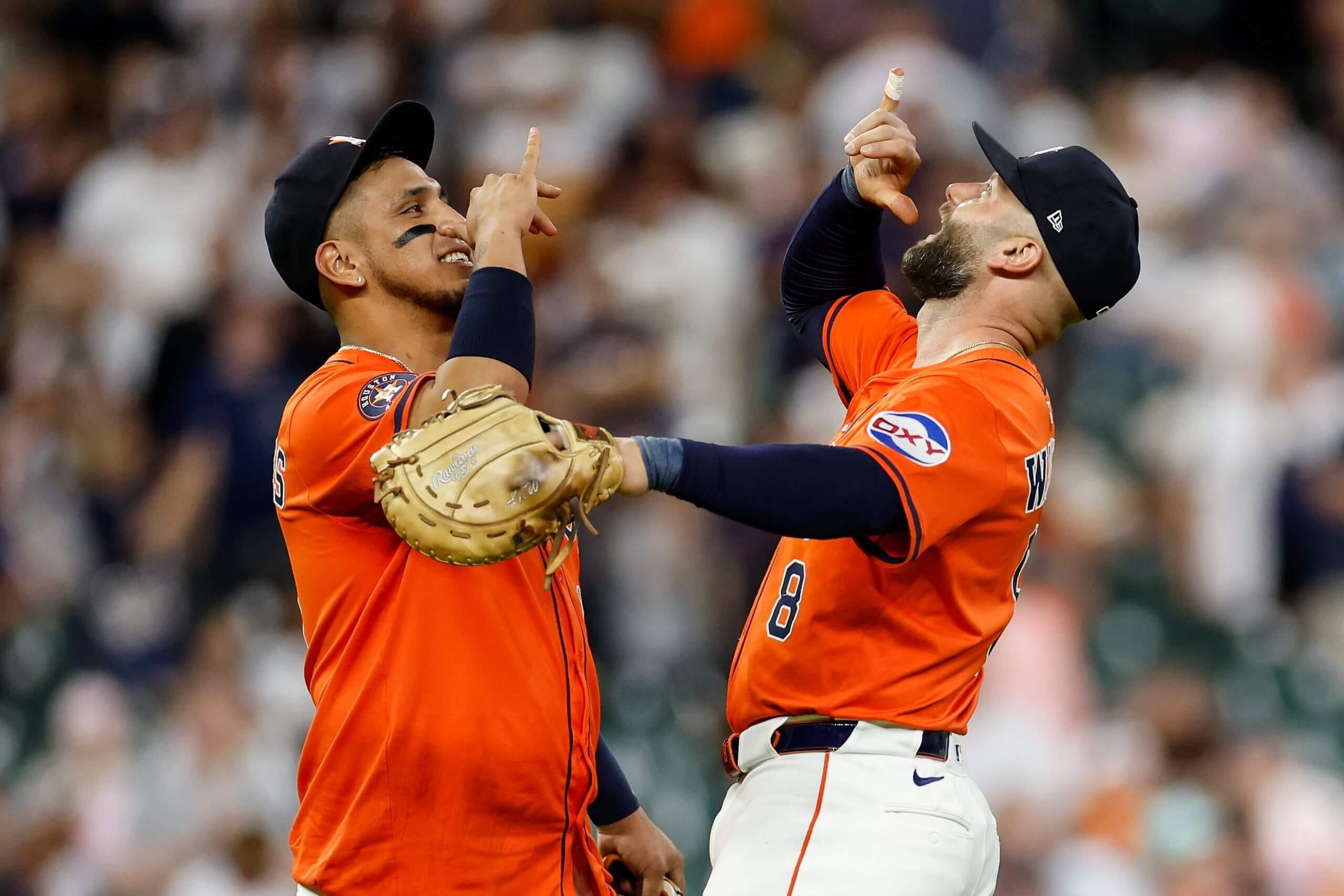
And the Astros already have two: Yordan Álvarez and, functionally, anyone Paredes would displace, including Yainer Diaz.
So the question isn’t whether Houston has enough bats. It’s whether they’re willing to pay for enough bench to support another bat-first player without breaking the roster again.
In the past, institutional inertia worked because roles were defined. The infield was iconic. Weakness stayed contained.
Right now, the structure is tighter. The margin is thinner. One more player without a defensive home doesn’t just crowd the lineup it removes the buffer entirely unless the club is willing to pay for a real bench and find another way to trade for an outfielder (sorry Zach Cole!)
And if it fails, it won’t fail loudly. It will fail the same way it did last year.
By running men to call up. If you remember, there were no men left to call up in the Anaheim series.
Sharp analysis on the Paredes situation. The hamstring issues are the real problem here, and I've seen how those nagging injuries can turn a decent defender into a liability over a full season. Your comparison to Lowrie is spot-on because teams telegraph what they actually think with playing time, not what they say publicly. The point about exhausting callups in Anaheim really drives home how thin the margins are. If Paredes cant hold second defensively, the roster math just dosnt work.