
Blubaugh’s Spring Outing
Control, not strikouts

A.J. Blubaugh threw 2.2 scoreless innings against Baltimore on March 4 in Houston’s 4–2 Grapefruit League win. The outing wasn’t built on strikeouts. It was built on pace.
He faced ten batters and threw 34 pitches, 18 for strikes. Two singles, no walks, no strikeouts. Four ground balls and five fly balls.
Blubaugh entered in the third inning after Colton Gordon. Colton Cowser singled to begin the frame but was caught stealing moments later, removing the only early pressure. A groundout followed to end the inning.
The fourth moved quickly. Adley Rutschman lifted a fly ball to center. Ryan Mountcastle singled but never advanced. Another groundout closed the inning.
The fifth began with three consecutive fly-ball outs. Cowser singled again before a foul out ended the appearance.
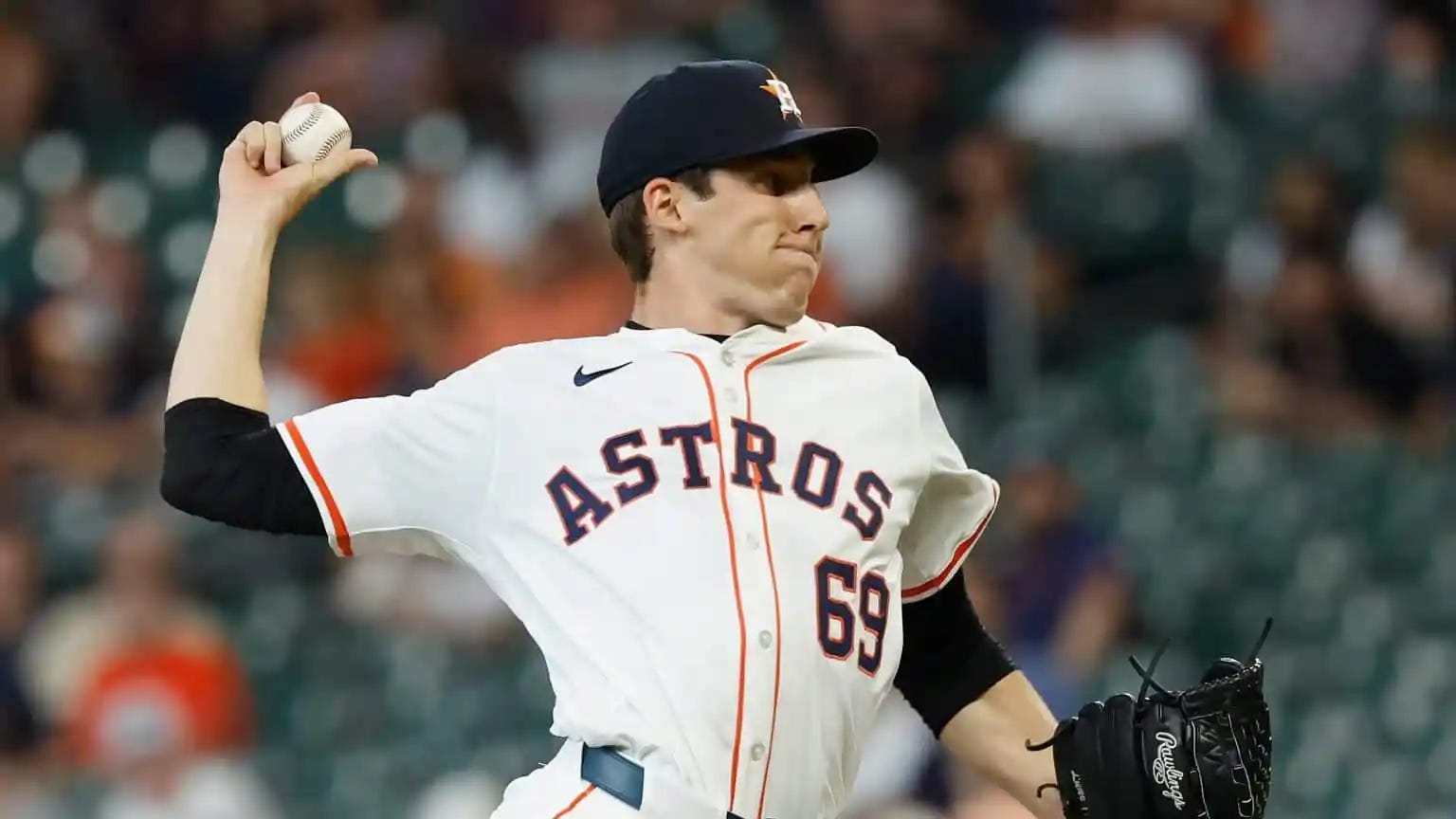
Ten batters. Thirty-four pitches. No walks. No runner advanced past second base.
That’s the kind of outing teams actually evaluate this time of year.
Blubaugh didn’t overpower hitters, but he never lost the strike zone and never allowed innings to stretch. The contact stayed manageable and the pitch count remained controlled.
For a pitcher competing for depth innings, that matters more than the strikeout column in early March.
With Josh Hader unavailable, Houston’s bullpen structure shifts. Bryan Abreu would likely move into the closer role, leaving the eighth inning unsettled. The timing also matters as names like Bennett Sousa are considered. Bryan King has shown swing-and-miss ability but has also allowed hard contact at times, which leaves the bridge innings less defined.
That’s where pitchers like Blubaugh become relevant.
He isn’t a typical high-leverage arm, but outings like this, quick innings, no walks, limited advancement on the bases, are exactly what managers use to stabilize the middle of a bullpen when roles shift.
NO AI slop, any support right now is appreciate as I battle the robots: https://www.paypal.com/paypalme/hughan